Heart Attack Prevention & Lipid Disorders
Advanced cholesterol management and cardiovascular risk reduction through evidence-based prevention strategies
Why Cholesterol Management Matters
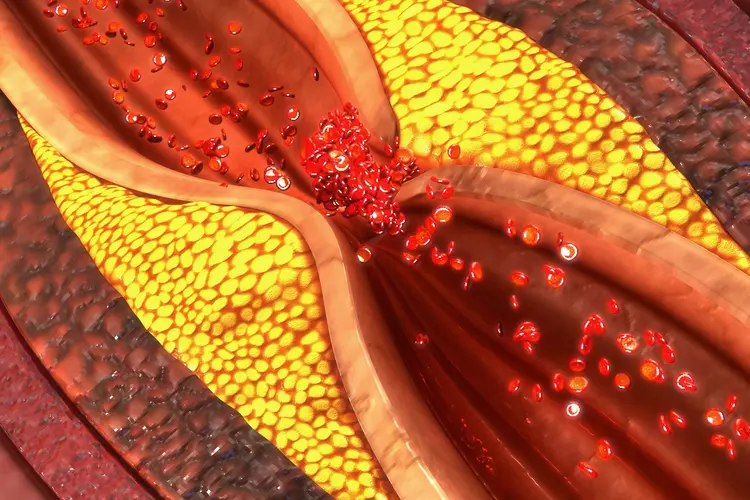
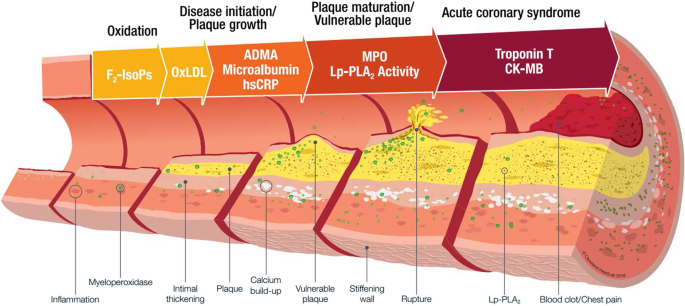
Heart disease remains the leading cause of death globally, yet most heart attacks are preventable. High cholesterol—particularly elevated LDL (“bad” cholesterol)—causes atherosclerotic plaques to build up in your arteries over decades, silently increasing your risk of heart attack and stroke.
Standard cholesterol tests often miss critical risk factors. That’s why I use advanced lipid testing to reveal the complete picture of your cardiovascular risk and guide precise, personalised treatment strategies.
The earlier we start intensive cholesterol management, the better your long-term outcomes. My goal is to prevent heart disease before it starts—or halt its progression if already present.
Beyond Basic Cholesterol Testing
Standard tests measure total cholesterol, LDL, HDL, and triglycerides. But to truly understand your risk, we need to go deeper.
ApoB (Apolipoprotein B)
The single best marker of atherogenic particle number. One ApoB molecule per LDL particle—measuring this tells us exactly how many dangerous particles you have.
Lp(a) - Lipoprotein(a)
A genetically determined risk factor affecting 20% of the population. High Lp(a) dramatically increases heart attack and stroke risk, requiring aggressive treatment.
LDL Particle Size & Number
Small, dense LDL particles are more dangerous than large, fluffy ones. Advanced testing reveals your particle distribution pattern.
Inflammation Markers (hsCRP)
High-sensitivity C-reactive protein measures arterial inflammation, a key driver of plaque instability and heart attacks.
Reversing Atherosclerosis: It’s Possible
With aggressive cholesterol lowering, we can stabilise—and even reverse—arterial plaque buildup
Research shows that intensive LDL lowering (typically to <70 mg/dL or even <55 mg/dL) can:
Stabilise plaques: Making them less likely to rupture and cause heart attacks
Reduce plaque volume: Studies using coronary imaging show actual regression of atherosclerosis
Decrease inflammation: Reducing the inflammatory processes that drive plaque instability
Prevent events: Dramatically lowering heart attack and stroke risk, even in high-risk patients
The key message: The lower your LDL, the better your outcomes. There’s no lower limit below which benefit stops. I use advanced therapies to achieve aggressive targets safely.
My Treatment Approach
Evidence-based strategies to achieve aggressive lipid targets and prevent cardiovascular events
High-Intensity Statins
The foundation of lipid-lowering therapy. Statins reduce LDL cholesterol, stabilise plaques, and reduce cardiovascular events by up to 40%.
PCSK9 Inhibitors
Revolutionary injectable medications (evolocumab, alirocumab) that lower LDL by an additional 50-60%, achieving ultra-low levels for high-risk patients.
Ezetimibe
Blocks cholesterol absorption in the gut, providing an additional 15-20% LDL reduction when combined with statins.
Bempedoic Acid
A newer option for patients who can’t tolerate statins, lowering LDL without the muscle side effects some experience with statins.
Lifestyle Optimization
Mediterranean diet, plant sterols, soluble fibre, regular exercise, and weight management all contribute to better lipid profiles.
Continuous Monitoring
Regular advanced lipid panels, imaging when appropriate, and treatment adjustments to maintain optimal levels long-term.
What You Get with My Care
Comprehensive cardiovascular risk assessment
Advanced lipid testing (ApoB, Lp(a), particle analysis)
Access to latest cholesterol-lowering therapies
Personalised treatment plans targeting aggressive LDL goals
Management of familial hypercholesterolemia and rare lipid disorders
Long-term partnership focused on preventing heart attacks and strokes
Conditions I Treat
- •Hypercholesterolemia (high cholesterol)
- •Familial hypercholesterolemia (FH)
- •Mixed dyslipidemia
- •Hypertriglyceridemia
- •Low HDL cholesterol
- •Elevated Lp(a)
- •Atherosclerotic cardiovascular disease
- •Post-myocardial infarction (heart attack) management
Protect Your Heart
Schedule a consultation to discuss advanced cholesterol testing and personalised cardiovascular risk reduction strategies.